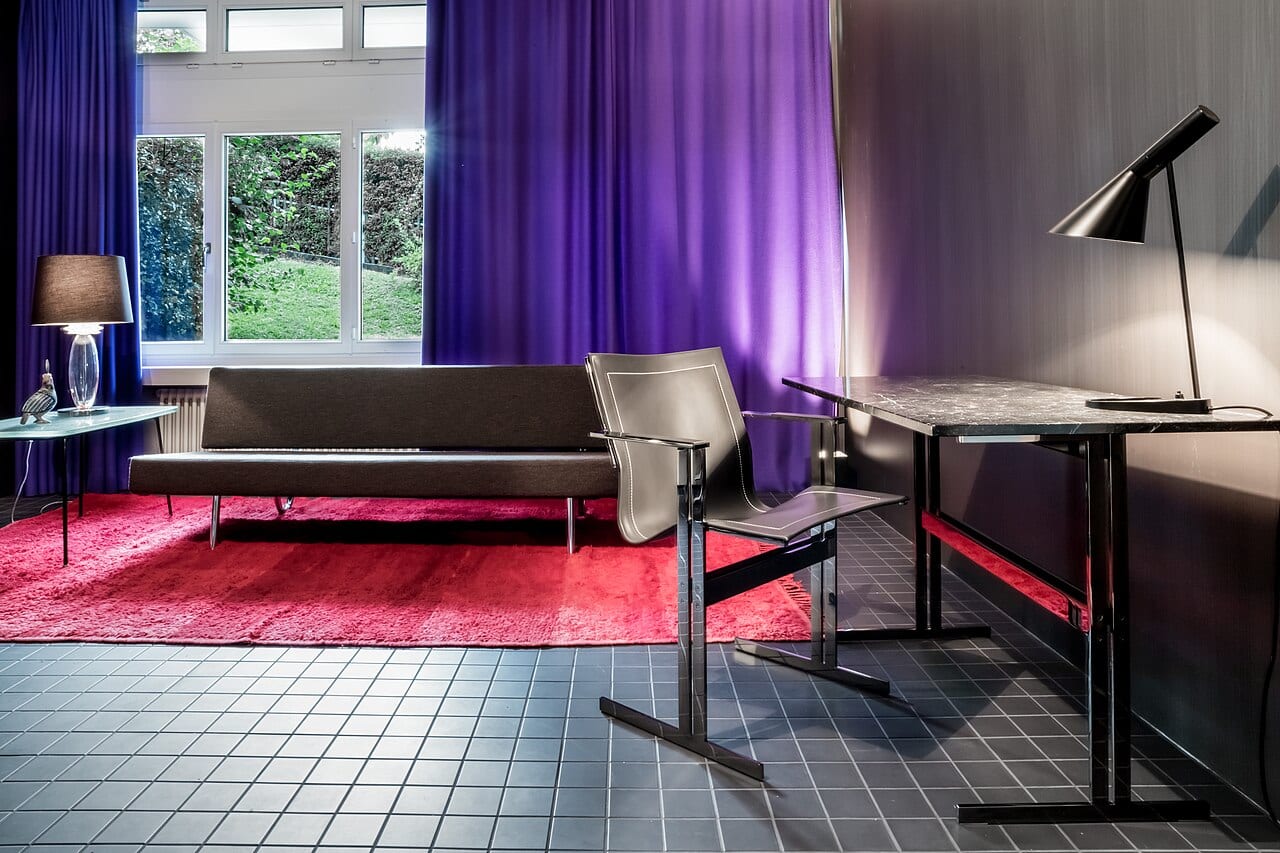
A high-resolution photograph of a sleek, minimalist desk lamp can be captivating. On a screen, the brushed metal finish looks flawless, and the slim silhouette promises to elevate a home office. For a buyer who prioritizes aesthetics, that visual harmony is often the primary driver of a purchase. However, a beautiful image does not always account for the practical realities of how an object occupies space or functions in a specific environment.
The Visual Allure vs. Physical Utility
The tension in online shopping often lies between what the eye perceives and what the hand requires. A product page is a curated experience designed to highlight beauty. It showcases the item under perfect lighting, often stripped of the clutter that defines a real living room or workspace. This creates a specific tradeoff: you gain a clear sense of the item's style, but you may lose a clear sense of its presence.
For example, if you are looking for a centerpiece for a narrow entryway console, a photo might show a stunning ceramic vase that looks perfectly proportioned. But without a sense of scale relative to common household objects, that vase might arrive to find it occupies the entire usable surface of your furniture, leaving no room for keys or mail. The visual preference for the vase's shape is met, but the practical need for a functional entryway is ignored.
Verifying the Digital Promise
The most effective way to resolve this tension is to treat the product description as a set of claims that require verification. When the person responsible for packing the item looks at the physical object, they see the dimensions, the weight, and the material texture in a way a camera lens cannot fully capture. You can perform a similar audit by comparing the website’s stated specifications against your own requirements.
Before finalizing a decision, look for the fine print regarding measurements and materials. If the website describes a fabric as "soft and luxurious," ask yourself if that translates to the durability you need for a high-traffic area. If a piece of furniture is listed as "solid wood," consider whether the finish shown in the photo matches the natural grain you expect to receive.
Questions for the Vendor
When the digital details feel insufficient to satisfy both your aesthetic and practical needs, direct inquiry is the best tool. Rather than relying on a single image, prepare specific questions to bridge the gap between the screen and your home. You might ask:
- How do the dimensions provided account for the base or any protruding hardware?
- Can you provide the weight of the item to ensure it meets my shelving requirements?
- Does the color in the photograph represent the item under standard indoor lighting?
- What specific materials are used in the construction that might not be visible in the close-up shots?
By weighing the visual appeal against these concrete inquiries, you can move past the initial attraction of a polished image. The goal is to ensure that when the package arrives, the item fits your space as well as it fits your vision.


