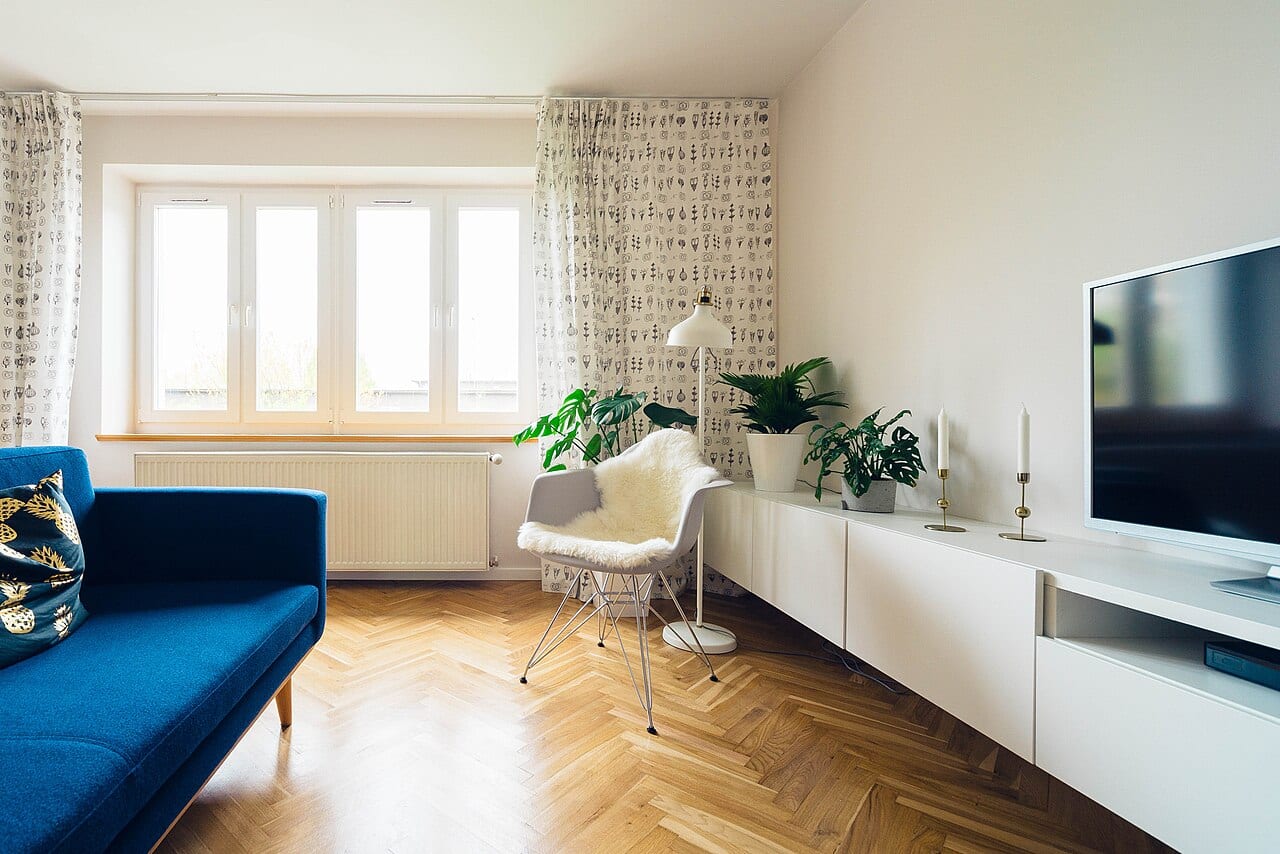
A smartphone camera provides an immediate way to capture a visual record of a home's condition. However, a disorganized gallery of hundreds of unsorted images rarely serves a long-term purpose. To make these visual records useful, consider treating your digital folder as a chronological and spatial archive rather than a casual collection of snapshots.
Organizing by Space and Time
Effective documentation begins with a naming convention that prioritizes clarity. Instead of relying on default date-stamped filenames, you can rename folders to reflect specific rooms and the sequence of observations. A structure that groups images by room—such as 'Master Bath' or 'Guest Suite'—and then by date allows you to track how a specific area evolves. This method ensures that when you are looking for a specific detail, you are not scrolling through a sea of unrelated shots from a backyard barbecue or a holiday dinner.
Separating Sight from Speculation
When capturing a problem area, there is a temptation to include notes about what you think is wrong. A photograph of a damp patch on a ceiling might be accompanied by a caption like 'leaking pipe above.' While this is a common impulse, it is more effective to keep your visual record strictly observational. Use the image to show exactly what is visible: the color, the shape, and the extent of the discoloration. Save your theories for your own notes or for discussions with experts. By keeping the photographs purely descriptive, you provide a clean baseline that allows a professional to apply their own expertise without being influenced by your preliminary conclusions.
Balancing Immediate Fixes and Long-Term Goals
Home maintenance often presents a choice between addressing a sudden, pressing issue and investing in a planned, aesthetic upgrade. For example, if you notice a loose floorboard in the hallway, you may have to decide whether to patch that single plank now or wait until you are ready to replace the entire flooring system next year. This decision involves a tradeoff between the convenience of a quick fix and the potential cost-efficiency of a comprehensive renovation.
In this scenario, your photographic archive becomes a decision-making tool. If you document the floorboard today, you can compare its condition to similar areas of the house to determine if the issue is isolated or part of a larger pattern. This visual evidence can help you decide if the immediate repair is a necessary stopgap or if it is better to save your resources for the larger project.
Preparing for Professional Consultations
When you eventually bring a specialist into your home, your organized folder serves as a concise briefing document. Rather than trying to remember when a certain issue first appeared, you can present a clear timeline of observations. Ask the professional how the specific conditions captured in your photos might impact their proposed approach. You might also ask how the timing of your current observations relates to the larger project goals you have documented.