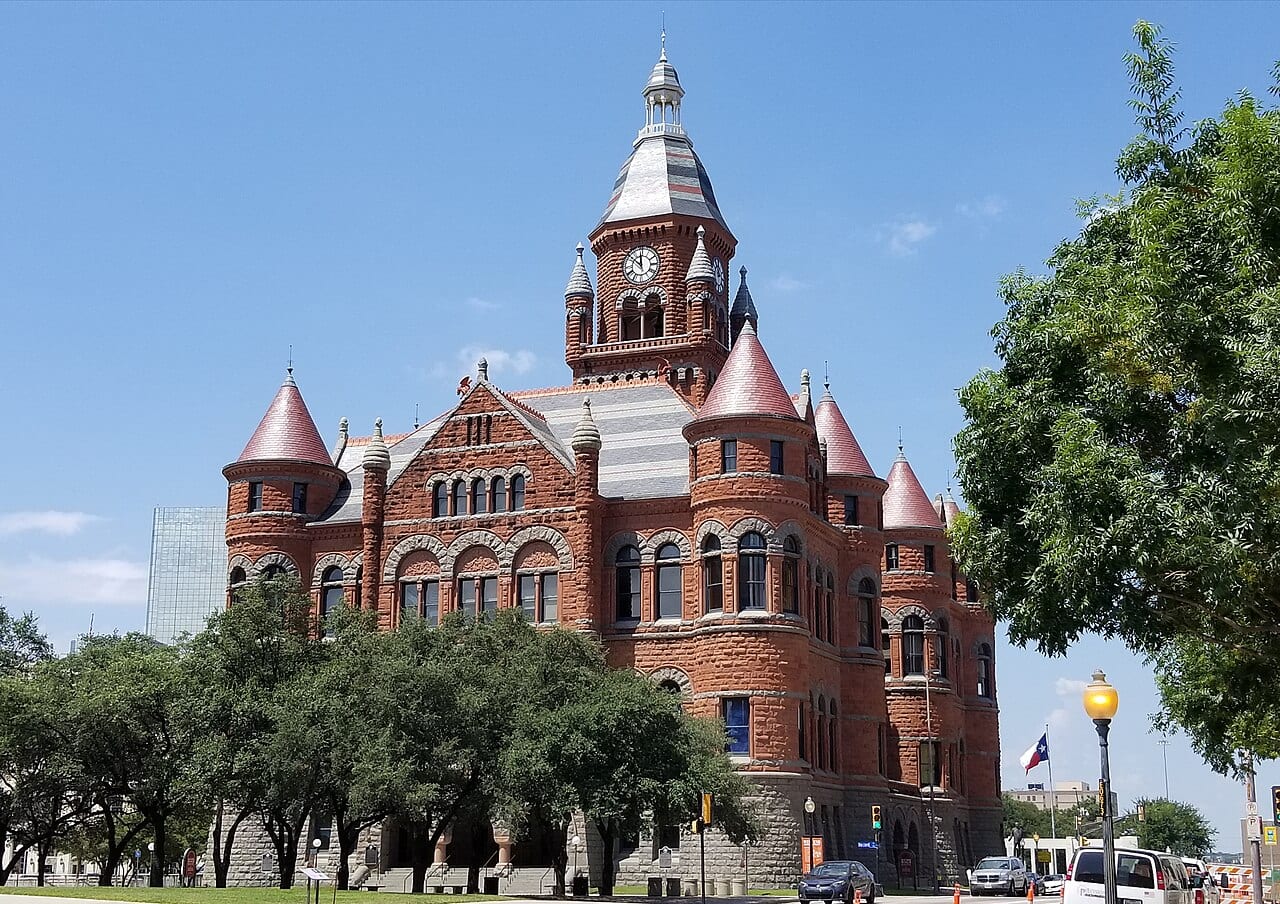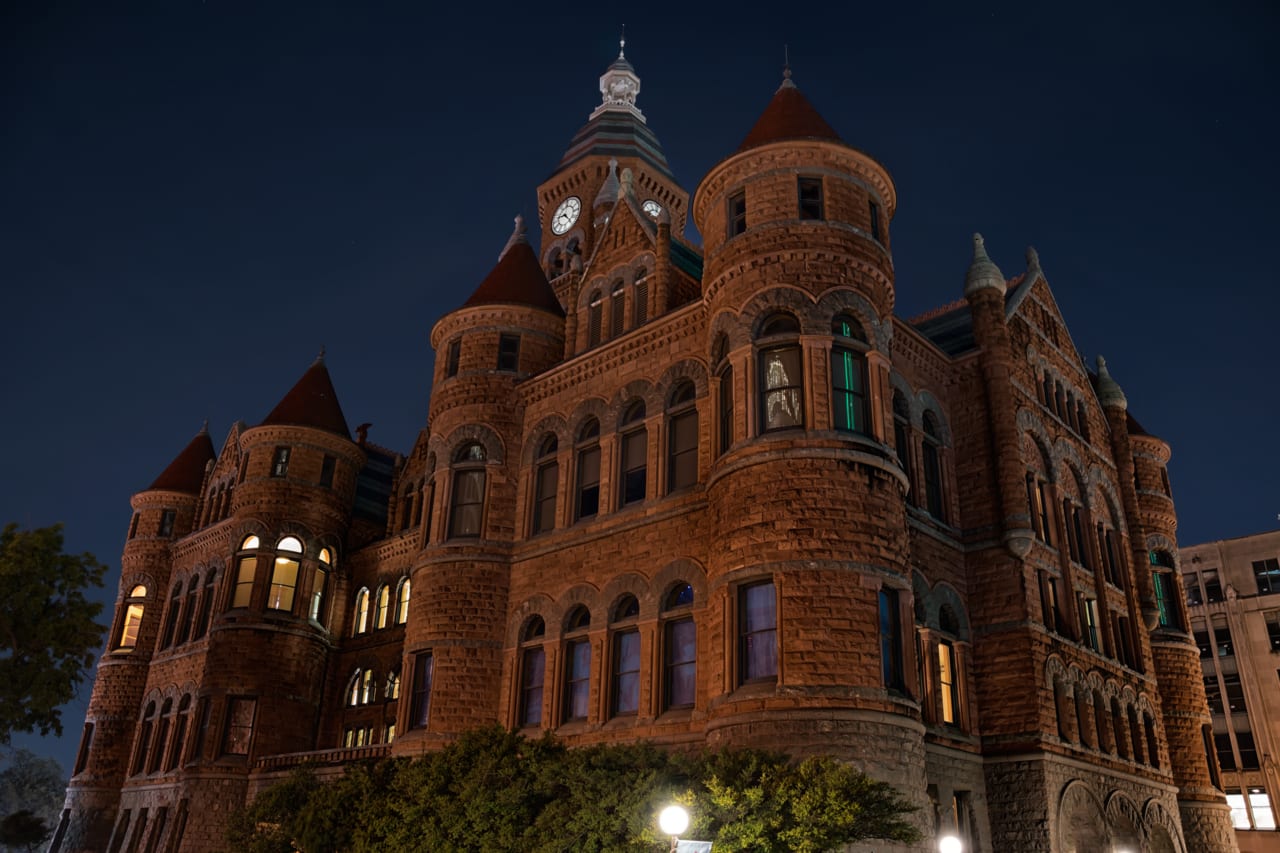
A specific vision for a property or a project often begins with an image. It might be the way a particular architectural style sits against a North Texas sunset or how a specific layout facilitates a certain kind of movement through a space. For many, the initial impulse is to secure that exact visual outcome, driven by a clear sense of what looks right.
The Weight of Visual Preference
Visual preference is a powerful motivator. It shapes how we perceive our surroundings and how we intend to inhabit them. However, in professional consultations, a strong preference for a specific look can sometimes obscure the underlying practical necessity. When a person enters a meeting with a firm idea of the final appearance, they may inadvertently focus the conversation on the surface level of the project rather than the structural or procedural requirements that make such an appearance possible.
For example, if a homeowner is considering a significant modification to a historic property, they might be deeply invested in preserving a specific ornamental detail or a particular window configuration. This desire is clear and easy to communicate. Yet, the conversation may need to shift from the beauty of that detail to the actual necessity of the modification itself. The aesthetic goal is the destination, but the professional must help navigate the terrain required to get there.
Navigating the Tradeoff
This creates a meaningful tradeoff between the ideal and the actionable. A person may have to weigh the satisfaction of a specific visual result against the complexities of the processes required to achieve it. One path might lead to the exact look desired, while another might offer a more streamlined or certain outcome that differs visually but satisfies the core functional need. Recognizing this tension early allows for a more productive dialogue with a professional.
The goal of an initial meeting is often not to decide on the final design, but to understand the parameters of what can be done. If the focus remains solely on the visual, the conversation may miss the opportunity to address the foundational questions that dictate whether that vision is even a viable option.
Preparing the Right Questions
To bridge the gap between a visual dream and a practical reality, it helps to approach a professional with questions that address the mechanics of the situation. Instead of leading with a photograph of a desired result, consider asking questions that probe the underlying requirements. You might ask a professional how the specific elements you desire interact with the existing constraints of the project. You could ask what factors would determine whether a particular visual direction is achievable, or ask how different approaches might impact the timeline or the complexity of the process.
By separating the desired outcome from the practical need, you provide the professional with the space to address the actual requirements. This ensures that when you do eventually commit to a visual direction, it is built upon a clear understanding of the landscape.