The moment of handing over your keys to a service advisor is often a blur of quick handshakes and hurried explanations. When you are focused on getting your vehicle back on the road, it is easy to overlook the small details that define a successful repair. Whether you are addressing a persistent noise or seeking to restore a faded finish, the clarity of your initial observations dictates the clarity of the eventual result.
Noting the details
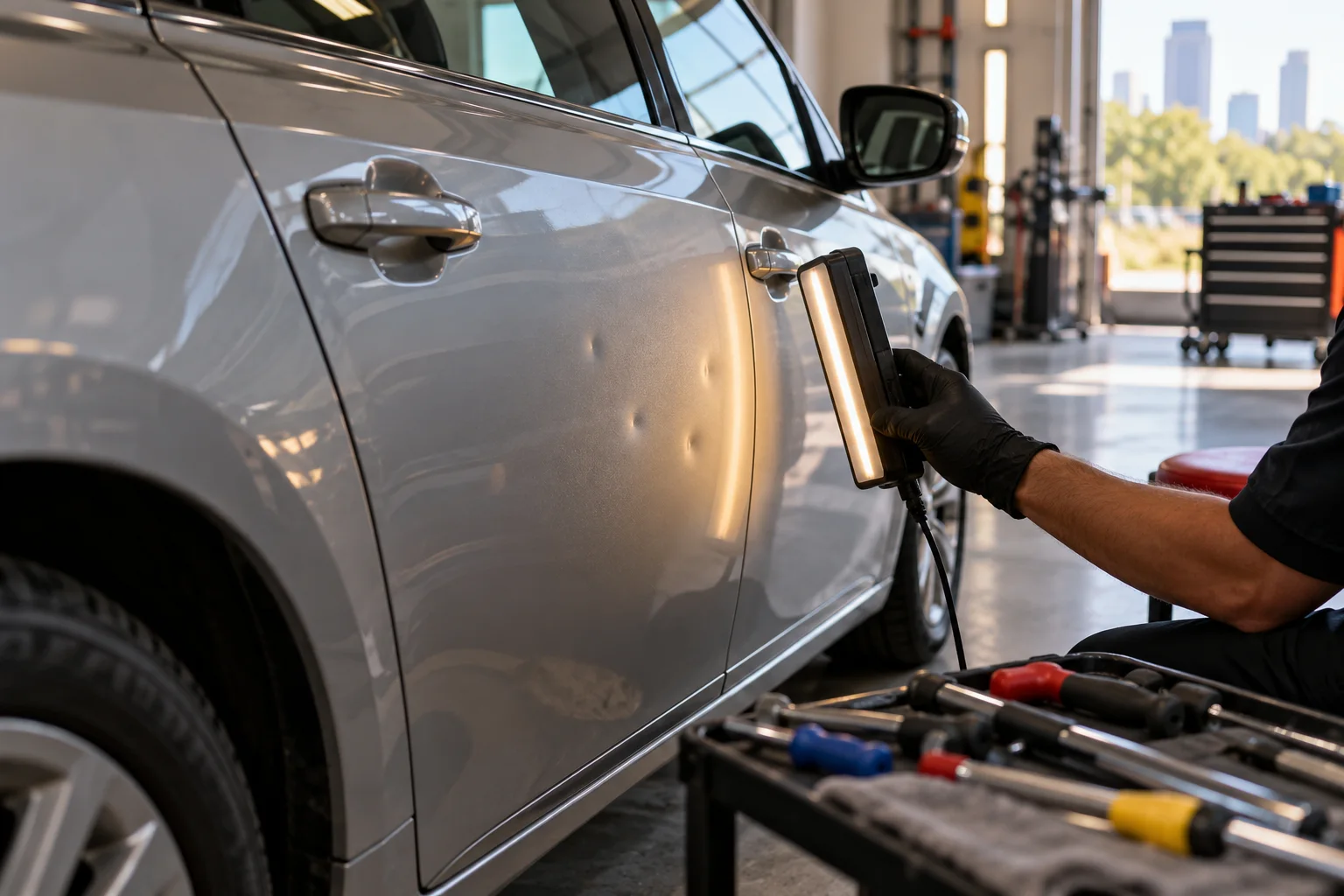
Before arriving at the shop, take a moment to walk around your vehicle. If you are seeking cosmetic work, look closely at how light hits the surface. Notice if a scratch is deep enough to catch a fingernail or if a dent has altered the way reflections flow across a door panel. If the issue is mechanical, try to replicate the sensation. Does a vibration occur only at a specific speed, or does a sound emerge only when the air conditioning kicks in?
For example, if you notice a small chip on your hood, determine if it is a singular point of impact or part of a larger area of peeling clear coat. Providing these specific visual markers helps the technician understand exactly what you are seeing. Ask the service advisor how they document these specific observations in their initial assessment.
Managing the paper trail
Tracking repairs involves managing the various documents that service visits generate. If your home or office lacks dedicated space for thick binders of maintenance logs and crumpled receipts, the task of organizing these records can become a logistical challenge. A growing stack of paper can easily be misplaced in a kitchen drawer, making it difficult to recall when a specific part was last replaced.
Consider the tradeoff between keeping every physical document and transitioning to a more streamlined system. You might choose to keep only the most critical seasonal summaries in a single folder, while opting for digital snapshots of larger invoices. Ask the repair facility if they provide digital copies of all estimates and completed work orders via email. This approach allows you to maintain a searchable history without occupying physical shelf space.
Defining the desired outcome
A service visit is most effective when the scope of work is clearly understood by everyone involved. A request to "fix the dent" is broad; a request to "restore the panel to its original smooth contour" is specific. When discussing the work, focus on the end state you wish to achieve.
Ask the professional how their proposed plan addresses the specific areas of concern you identified. If you are balancing a budget, ask how different levels of service might change the final appearance or performance of the vehicle. By focusing on the scope of the work rather than the mechanics of the repair, you can ensure that the final walkthrough meets your expectations.


