The image of a perfect dinner party often involves a host standing over a steaming stove while guests sit in a quiet living room. For those who want to actually sit down and enjoy the company they have invited, the strategy must shift from performing a service to participating in a meal. Transitioning from a solo cook to a communal host requires a change in how you approach the menu and how you distribute the labor of the evening.
The Menu Tradeoff
When you are the only person responsible for every plate, the menu dictates your entire evening. You face a choice between a highly curated, multi-course meal that requires constant attention or a more flexible arrangement where guests contribute specific elements. A curated menu offers complete control over the flavor profile and presentation, but it often leaves the host tethered to the kitchen. A shared approach allows for more variety and less individual pressure, though it requires more coordination beforehand.
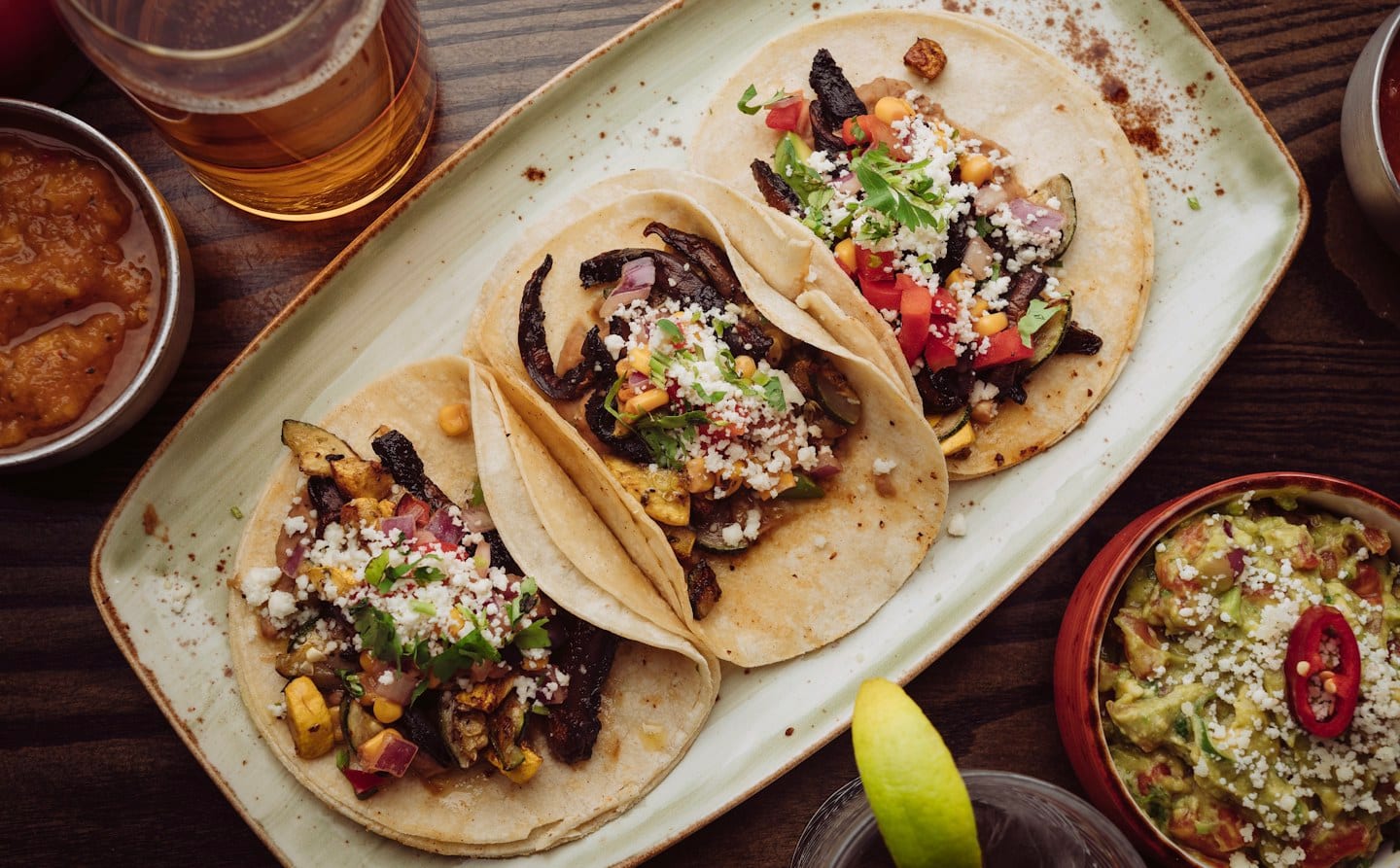
For example, if you decide to host a taco night, you might provide the proteins and tortillas while asking guests to bring specific toppings, sides, or beverages. This reduces your preparation load, but it means you must manage the logistics of what is being brought to ensure the table feels complete and cohesive.
Coordinating Contributions
The key to a successful shared meal is clarity. Vague requests like "bring something to eat" often result in three bags of chips and no substantial side dishes. Instead, assign specific roles or categories to your guests. You might ask one person to handle a salad, another to bring a dessert, and another to manage the wine or non-alcoholic drinks. This prevents duplication and ensures that the meal feels balanced.
When discussing these contributions, ask your guests if they have any specific preferences or requirements that would change what they bring. Confirming these details early avoids surprises once the guests arrive at your door. It also allows you to plan your own cooking around what is being provided by others.
Separating Prep from Service
A common pitfall is conflating the act of preparing food with the act of serving it. To remain part of the social circle, try to separate these two functions. Aim to complete as much of the heavy preparation as possible before the first guest arrives. If certain items require last-minute assembly, consider if those tasks can be moved to a communal station where guests can help themselves.
Ask yourself whether the meal can be served family-style, with large platters placed in the center of the table, rather than plated individually in the kitchen. Family-style service allows you to sit down as soon as the food is on the table, turning the act of serving into a shared social activity rather than a solo chore. By deciding on the service style and the guest contributions well in advance, you ensure that your role is that of a participant rather than just a provider.