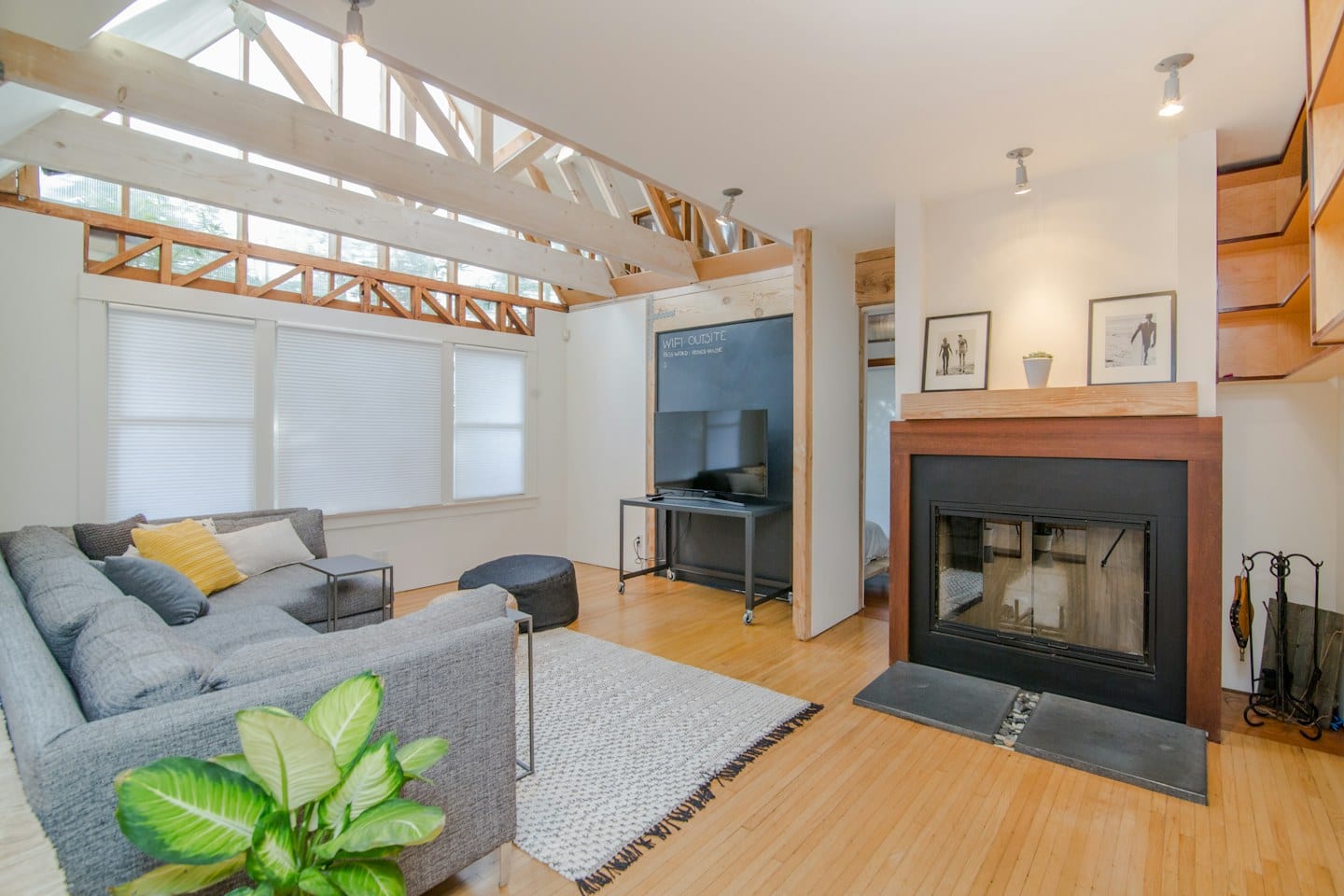
A freshly laundered duvet and a cleared countertop are the traditional markers of a ready guest room. However, true hospitality often hinges on the details that remain invisible until a visitor arrives. Moving from the assumption of what a guest needs to the reality of what they actually require can transform a standard visit into a seamless experience.
The Logistics of Arrival
The moments surrounding a guest's arrival set the tone for their entire stay. Rather than assuming a guest will want to unpack immediately or settle into a specific routine, consider the practicalities of their transition into your space. Ask your visitors what time they expect to reach your door and if they have specific needs regarding their arrival window.
Food preferences represent another significant area where assumptions can lead to unintended friction. It is helpful to ask your guests about any dietary requirements or specific likes and dislikes before they arrive. This allows you to prepare a pantry or refrigerator that feels welcoming rather than restrictive. For example, if a guest mentions a preference for certain snacks or a specific way they enjoy their morning coffee, having those items on hand shows a level of attentiveness that goes beyond basic sustenance.
Balancing Aesthetic and Utility
Many hosts find themselves caught between a desire for a curated, beautiful home and the practical necessity of making a guest feel at ease. This tension is particularly evident when managing the visual landscape of a guest suite. You might have a strong preference for a minimalist, strictly organized aesthetic, but a guest may have practical needs that disrupt that visual harmony.
Imagine you have meticulously styled a guest room with clear surfaces, a single decorative lamp, and a strictly neutral color palette. While the room looks polished in a photograph, a guest might arrive with a large suitcase, various charging cables, and a need for extra pillows or a reading light. For example, if you prioritize a clutter-free environment, you face a tradeoff: do you maintain the pristine visual order, or do you provide the physical tools—such as extra hooks, baskets, or power strips—that make a stay functional?
Instead of deciding for them, ask your guests how they prefer to organize their belongings or if they require specific items to feel comfortable. This allows the room to serve its purpose without you feeling as though your personal style has been compromised.
Creating Space for the Unexpected
The most successful hosting occurs when there is a balance between preparation and flexibility. You can prepare the foundation of the visit by asking about sleep schedules, access needs, and dietary habits, but you must also leave room for the guest's actual answers to reshape your plans. By replacing assumptions with inquiries, you create an environment where guests feel seen and accommodated, rather than merely managed.


