A fresh set of keys often brings the excitement of a new beginning, but it also brings the challenge of a blank, unfamiliar room. For many renters, the desire to settle in involves a tension between personal expression and the constraints of a lease. You want a space that reflects your style, yet you must navigate the reality that you cannot simply paint the walls or swap out the light fixtures at will.
The Versatility of Freestanding Pieces
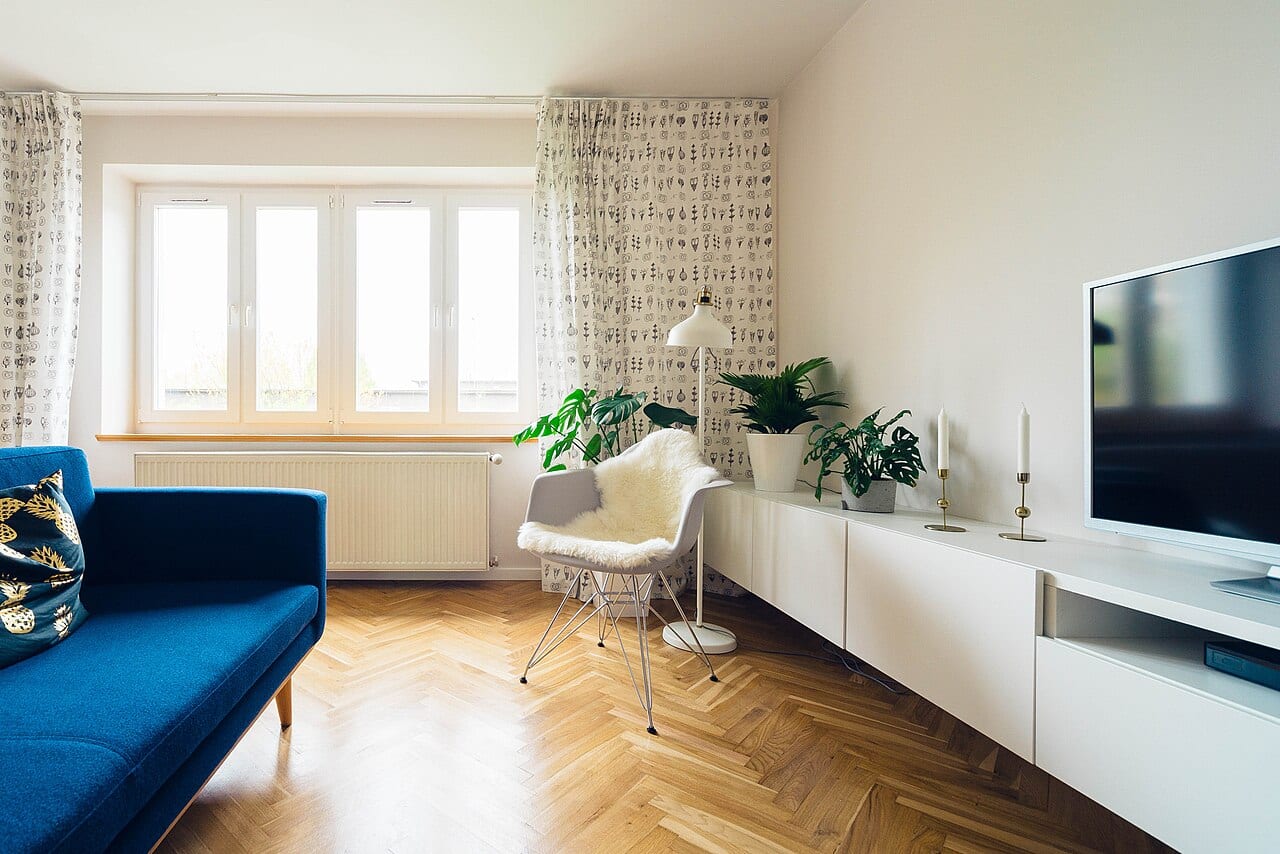
One of the most effective ways to define a room is through furniture that stands entirely on its own. Rather than looking for built-in solutions, consider items that offer utility without attachment. A sturdy bookshelf can act as a room divider, while a well-placed armchair can create a reading nook in a corner that previously felt empty.
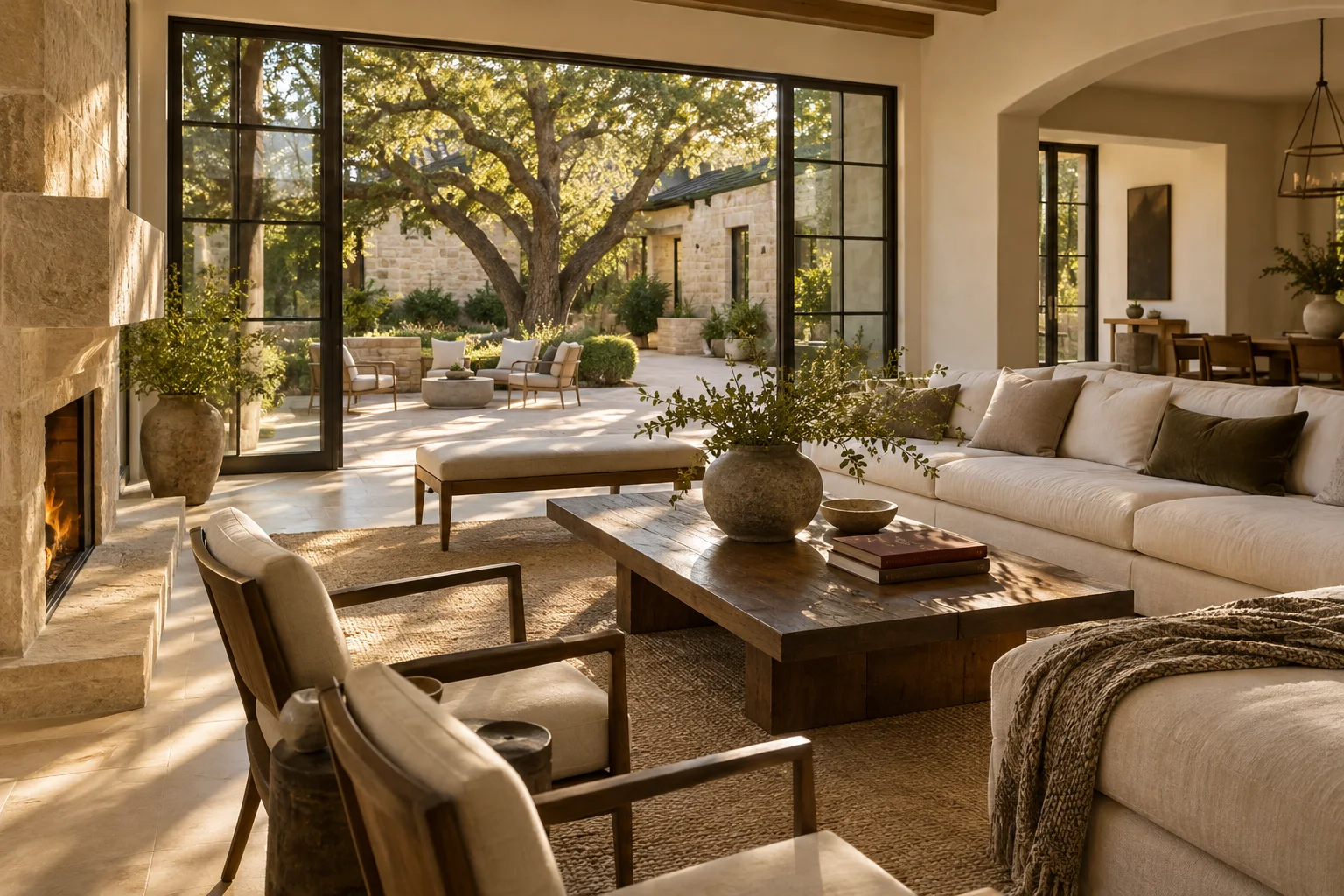
The tradeoff here involves weight and scale. While a heavy, solid wood dresser provides a sense of permanence and stability, it can be difficult to move during a transition. Conversely, lightweight, modular shelving is easy to rearrange as your needs change, but it may lack the visual weight needed to ground a large room. When selecting pieces, observe how the shadows and light interact with the furniture's silhouette to ensure the room feels balanced rather than cluttered.
Managing Personal Belongings
Storage is often the silent hurdle of rental living. Without the ability to install custom closets or extra cabinetry, you must find creative ways to house your belongings. Freestanding wardrobes, decorative trunks, and even tiered rolling carts can provide necessary organization. These options allow you to maximize vertical space without needing to drill into the walls.
For example, if you find yourself with a collection of seasonal clothing that exceeds your closet capacity, you might consider a tall, slim chest of drawers tucked into an unused corner. This provides a dedicated home for your items while maintaining an organized aesthetic, all without a single screw entering the drywall.
Navigating Proposed Adjustments
Sometimes, a room feels incomplete without a specific change, such as a new light shade or a decorative wall hanging. Before you commit to any modification that involves hardware or surface changes, it is prudent to seek clarity from those who oversee the property. Instead of assuming what is permitted, prepare specific inquiries for your property manager.
Ask whether certain types of wall hangings are acceptable and what the preferred method for securing them might be. If you are considering replacing a fixture, ask if the original hardware must be kept and how the return to the original state should be handled. By addressing these details early, you can focus on enjoying your space with the confidence that your choices align with the management's expectations.
Ultimately, the goal is to build a sanctuary that feels uniquely yours while respecting the structure you inhabit. By prioritizing flexible furniture and asking the right questions about modifications, you can create a sophisticated environment that is ready to move with you.