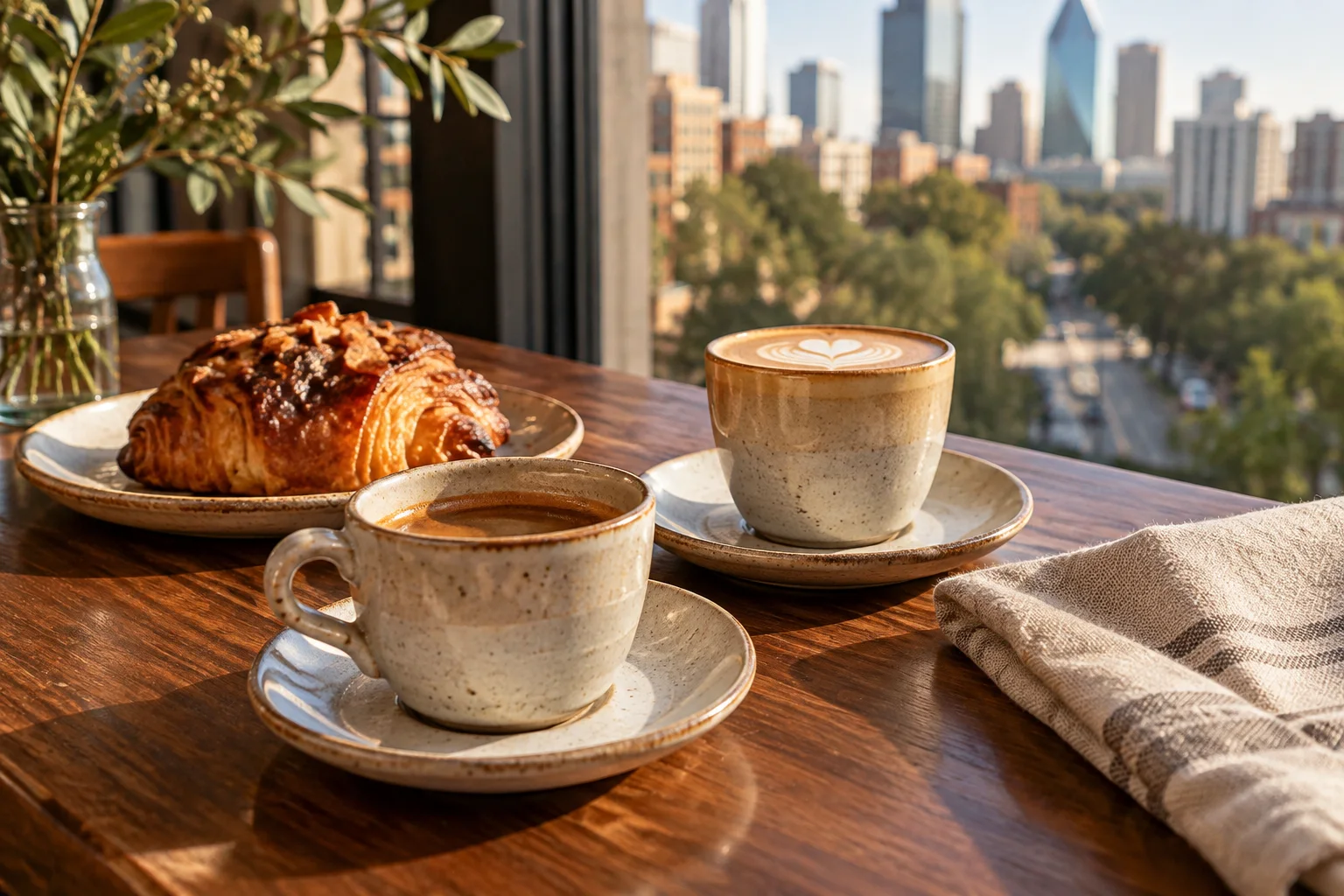
The perfect morning coffee often starts with the ritual: the weight of a ceramic mug, the swirl of cream into a dark liquid, and the way the steam rises in a sunlit kitchen. For many, the visual experience of a drink is just as vital as the flavor. You might find yourself drawn to a specific shade of deep amber or a particular density of foam, assuming that the visual elegance translates directly to a superior taste.
The Visual Trap
A strong visual preference can sometimes mask what is actually happening on your palate. We often decide we like something before the first sip, based on the color of the roast or the presentation of the cup. This creates a disconnect between what we see and what we truly crave. You might reach for a dark, opaque brew because it looks robust, only to find it lacks the brightness you actually prefer when you are not looking at it.
For example, if you find yourself consistently buying expensive beans because the packaging is minimalist and chic, or choosing a cafe because the lighting makes the espresso look velvety, you are making a choice based on atmosphere rather than substance. This can lead to a cycle of purchasing drinks that look beautiful but fail to satisfy your actual taste buds.
Testing the Palate
To bridge this gap, you can conduct a controlled comparison at home. The goal is to strip away the visual cues and focus entirely on the sensation of drinking. Start by preparing two or three different versions of a drink. To ensure the results are honest, use a labeling system that removes the visual bias.
Label your cups with simple identifiers like 'A', 'B', and 'C' using masking tape. This prevents you from associating a specific brand or a specific bag of beans with the liquid inside. Once the labels are set, focus on the following observations:
- Weight and Texture: Does the liquid feel heavy on the tongue or light and tea-like?
- Lingering Notes: After you swallow, does the sensation remain sharp, or does it fade quickly?
- Temperature Impact: How does the flavor profile shift as the liquid cools?
The Tradeoff of Consistency
The tradeoff in this process is the loss of the aesthetic pleasure you enjoy. You are intentionally trading the "mood" of the coffee for the clarity of the flavor. While a beautifully presented latte provides a sensory experience, a blind tasting provides data. If you discover that 'Cup B' is your favorite, but 'Cup B' is always served in a plain white mug, you have identified a mismatch between your visual desires and your gustatory needs.
Once you have identified your preferred profile through these blind tests, you can begin to shop with intention. Instead of looking for a specific look, look for the characteristics that matched your successful trials. If you find that your preferences are highly complex, you might ask a local barista how different bean origins or processing methods might influence the specific textures you identified during your testing.