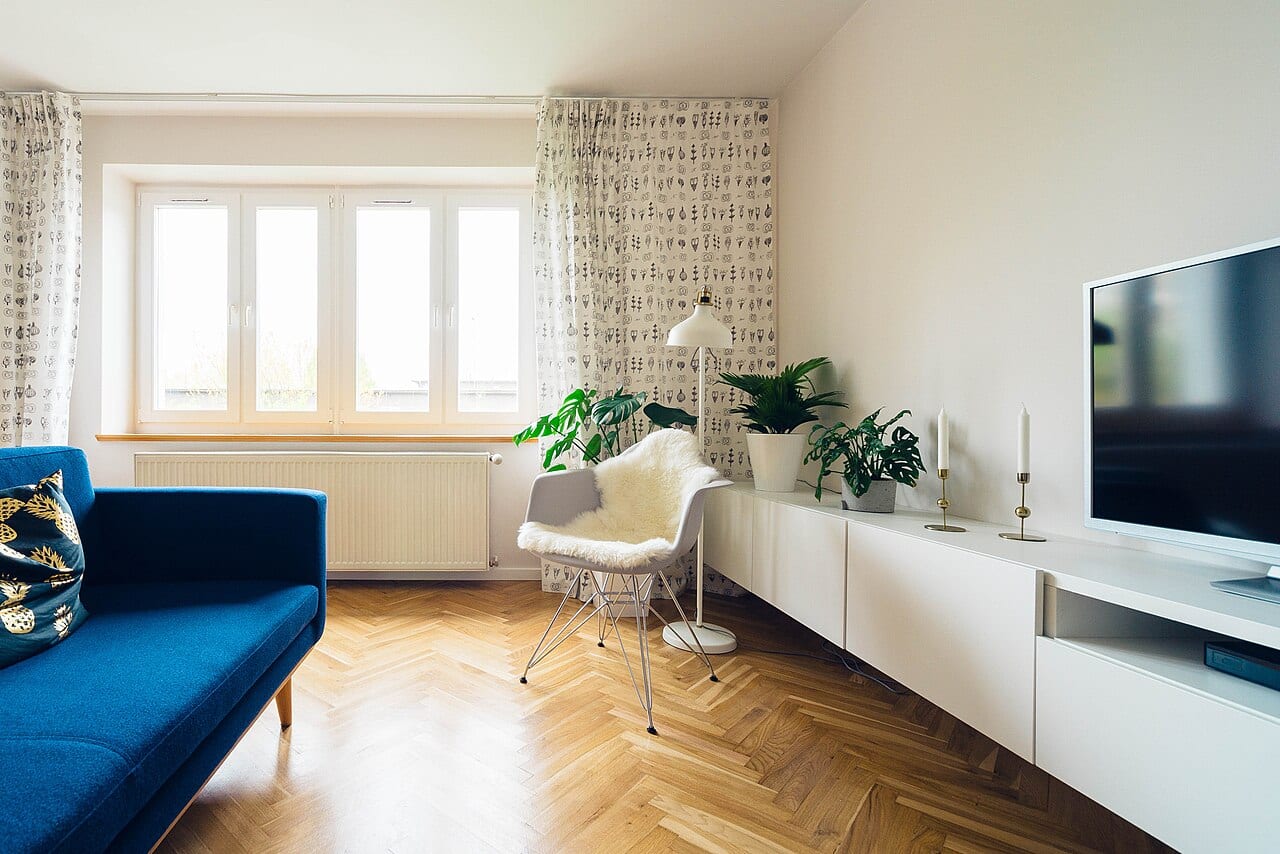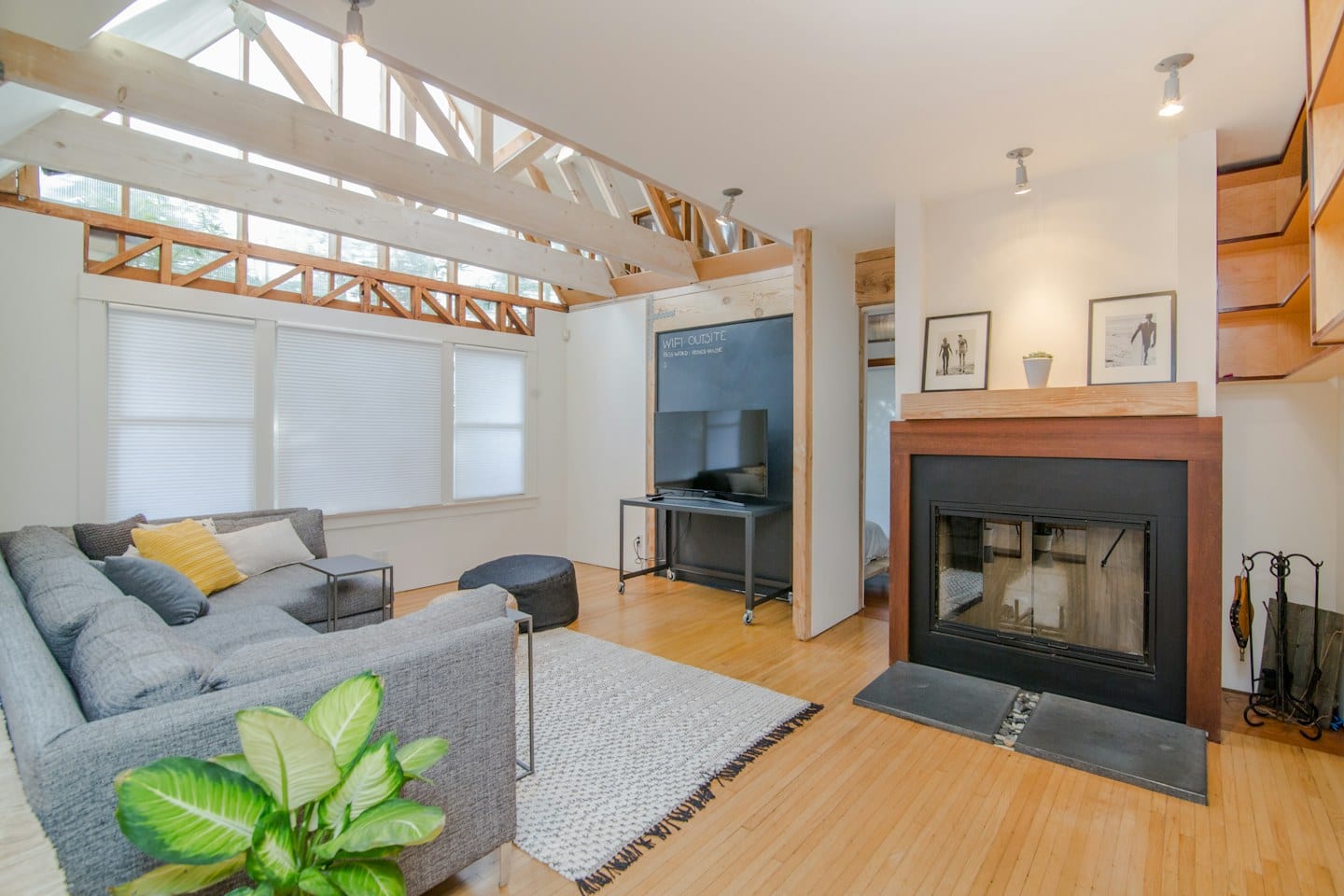
A desk is rarely just a piece of furniture; it is a designated zone for the mental shifts that define our days. Whether you are managing household accounts or drafting a project, the success of that space depends on how it interacts with the rhythms of your home. Rather than selecting a corner based on aesthetic appeal alone, consider how the light moves and how the sound travels during your most productive hours.
Observe the Daily Pulse
The quiet of a Tuesday morning may feel vastly different from the energy of a Thursday afternoon. To find a sustainable spot, watch the interruptions that occur during your chosen window of focus. Does the kitchen traffic create a constant stream of movement that pulls your eyes away? Does the afternoon sun strike the surface at an angle that forces you to squint?
For example, if you plan to work in a sunlit alcove near the living room, you might find that while the morning light is beautiful, the midday heat and the noise of a vacuum cleaner in the next room make sustained concentration difficult. A corner that feels peaceful at 10:00 a.m. might feel exposed and distracting by 3:00 p.m. Identifying these shifts allows you to choose a location that respects your need for mental stillness.
The Challenge of Paperwork
For many, the primary friction in a home workspace is the physical accumulation of documents. If your living area lacks dedicated storage, a permanent desk can quickly become a magnet for clutter. An overflowing stack of mail, tax forms, or utility bills can transform a functional corner into a source of visual stress. This is a particular challenge when your home is not designed with a separate office in mind and every square foot of surface area is precious.
This creates a meaningful tradeoff: do you opt for a large, heavy desk with built-in drawers that occupies significant floor space, or a slim, minimalist surface that keeps the room feeling open? While the larger desk offers a place to tuck away files, it may make the room feel cramped. Conversely, a smaller setup keeps the area tidy but requires you to decide where every piece of paper goes the moment you finish reading it. You might consider a movable setup, such as a rolling cart or a lightweight table, to see if a different location serves your workflow better before committing to a heavy piece of furniture.
Refining Your Setup
Once you have observed the patterns of light and sound, you can begin to address the practicalities of your specific needs. If you find that a particular corner is ideal but lacks the necessary organization, ask yourself how you will manage the transition from active work to a tidy home environment at the end of the day.
If you are considering a more permanent installation, such as built-in shelving or custom cabinetry to solve your storage dilemma, ask a carpenter which materials would best suit the humidity and light exposure of that specific corner. By testing a temporary arrangement and watching how your paperwork behaves, you can move toward a workspace that supports your focus rather than competing with it.