This is a paid partner contribution. Commercial relationships are disclosed so readers can distinguish sponsored content from editorial guides.
Why Opening Title Early Matters for Large‑Scale Projects
When a developer in Dallas‑Fort Worth begins to assemble parcels for a master‑planned community, the title commitment is more than a routine formality. It determines whether lenders will fund the acquisition, whether existing easements accommodate the proposed layout, and whether future lot sales can close with clean title. Aurum Title, a title and escrow firm that works exclusively with developers and large portfolio owners, emphasizes that defects identified during the feasibility stage can be resolved with a simple recorded release, whereas the same issues discovered after a construction loan term sheet is issued can add weeks of delay. By opening a title file at the contract stage, developers receive a comprehensive chain‑of‑title report, a list of exceptions, and a roadmap for clearing those issues before construction financing is sought.
Assembling the Parcel List and Reference Matrix
The first concrete step is to create a master parcel list that pairs each seller entity with its deed reference and tract exhibit number. This matrix should be organized in a spreadsheet that includes columns for the seller’s legal name, the recorded deed book and page, the tract or parcel number, and any associated exhibit attached to the purchase agreement. Developers should also attach a high‑resolution acquisition map that visually displays how each tract fits into the overall project footprint. The map allows planners, engineers, and the title team to see at a glance which parcels are critical path items and which can be deferred if a title defect proves costly to resolve. See Aurum Title’s title services for Dallas developers for the service overview.
Flagging Access, Utilities, and Shared Rights‑of‑Way
Raw land in the Dallas area often carries pre‑existing access strips, shared driveways, or utility corridors that can affect site design. Developers need to flag these items on the parcel list and provide any recorded documents—such as easement agreements, dedication plats, or utility right‑of‑way filings—to Aurum Title as they arrive. Aurum’s process includes a review of recorded plats, dedications, and utility easements to determine how a new plat or re‑plat will change the policy coverage. By supplying the design team with the recorded documents early, the developer can compare the legal access rights with the concept plan and adjust the layout before construction drawings are finalized.
Coordinating Multiple Sellers and Closing Order
Large assemblages typically involve several sellers, each with a different closing timeline. The developer should add an intended closing order column to the parcel matrix and assign a point person for each seller—usually the seller’s attorney or broker. This information feeds directly into Aurum Title’s “coordinated files” approach, where commitments, surveys, and closings are aligned into a single project schedule. If the development can move forward without a particular parcel, that decision should be recorded separately from the standard title checklist so the title team knows not to waste resources on a non‑essential tract.
Gathering Survey and Plat Information
Surveys and recorded plats are critical for confirming that the physical boundaries match the legal description. Developers should request the most recent survey for each parcel and any historic plats that show prior subdivisions or dedications. Aurum Title’s team compares these documents with the title chain to identify “gap” issues such as missing recorded plats or mismatched boundaries. When discrepancies arise, the firm prepares a list of required corrections—often a simple corrective deed or a recorded release—that can be addressed before the construction loan closes.
Preparing for Construction Loan Closings
Once the title commitment is clear of major exceptions, the next phase is the construction loan closing. Aurum Title’s construction loan service coordinates lender requirements, the mechanic’s lien position, and any scheduled lot takedowns. Developers must provide the lender’s loan package, including the loan commitment, draw schedule, and any required insurance certificates. Aurum then sets up takedown schedules, partial releases, and repeat closings so each phase of lot transfers occurs on the same terms. This systematic approach minimizes the risk of a lien claim disrupting the cash flow during construction.
Hypothetical Scenario 1: Phased Acquisition with a Contingent Parcel
Imagine a developer acquiring ten parcels for a new mixed‑use district. Nine parcels have clear chains, but the tenth—owned by an estate—has a probate gap. The developer flags the tenth parcel as “contingent” in the matrix and assigns the estate’s executor as the point person. Aurum Title opens a coordinated file for the nine clear parcels while simultaneously initiating a title search on the contingent parcel. The firm identifies a missing heirship deed and recommends a probate court filing. Because the developer has already secured financing for the nine parcels, the construction loan can close on those assets while the probate issue is resolved. Once the probate deed is recorded, Aurum adds the tenth parcel to the existing commitment, allowing a seamless final closing without delaying the overall project schedule.
Hypothetical Scenario 2: Shared Driveway with a Municipal Utility
A second scenario involves a developer purchasing three adjacent tracts that share a municipal water easement crossing the site. The easement is recorded but the map attached to the deed is outdated, showing the utility line in a different location. The developer provides the current utility map to Aurum Title, which reviews the recorded easement and discovers a recent amendment filed with the city that relocates the line. Aurum flags the amendment as an exception and works with the city’s engineering department to obtain a release for the portion of the easement that conflicts with the planned road network. The developer then revises the site plan to align with the updated utility corridor, avoiding a costly redesign later in the construction phase.
Real‑World Example: Master‑Planned Community Coordination
A Dallas‑area master‑planned community developer engaged Aurum Title to handle the title for a 150‑acre assemblage involving fifteen sellers. Aurum opened coordinated files for each seller, pulled full chains on raw land, and reviewed all recorded plats, dedications, and mineral reservations. The title team identified a mineral reservation that overlapped a future park area. After consulting with the reservation holder, Aurum facilitated a recorded release, allowing the developer to proceed with the park design without legal encumbrance. The construction loan closed on schedule, and the first phase of lot takedowns was completed within the projected timeline. This case illustrates how early title involvement can resolve complex defects that would otherwise stall a large development.
Key Documents to Deliver to Aurum Title
Developers should compile the following items before requesting a title order:
1. Executed purchase agreements with seller entities listed. 2. Deed references and tract exhibit numbers for each parcel. 3. Acquisition map showing parcel relationships. 4. Recorded easements, dedications, and utility agreements. 5. Latest surveys and historic plats. 6. List of point persons for each seller. 7. Any existing lien releases or payoff statements. 8. Construction loan package (if applicable).
Providing this package up front enables the title company to run its systemized process—pulling chains, reviewing exceptions, and issuing a single commitment that covers all parcels in the project.
How the escrow team’s Attorney‑Owned Structure Adds Value
When a land acquisition raises a question about a chain of title, estate records or conflicting easement descriptions, gather the records and the current parcel map in one file. Ask the escrow contact to identify what the title team needs to examine and which interpretation questions should go to counsel. Give the design and financing teams the same dated record of what is still open. If one issue affects several tracts, show the connection on the parcel list so the people planning the closing can account for it.
Decision Points for Developers
Throughout the pre‑closing phase, developers face several critical decisions:
Timing of Title Order – Opening the file at contract signing versus after the inspection period. Early opening yields a proactive defect list. Scope of Coordinated Files – Whether to bundle all parcels into a single commitment or handle high‑risk parcels separately. Closing Sequence – Determining which parcels must close first to satisfy construction loan draw schedules. Defect Resolution Path – Choosing between a recorded release, a corrective deed, or a settlement with the holder of an easement.
Answering these questions with input from the title team and the developer’s legal counsel keeps the project on schedule and reduces unexpected costs.
Choosing the Right Moment to Order a Title Commitment: Balancing Schedule Certainty and Cost Exposure
Imagine you are leading a mixed‑use development that will acquire eight parcels over a six‑month period. The first three parcels are already under contract, but the remaining five are still in negotiation. The project’s financing hinges on a construction loan that requires a clean title commitment for the entire assemblage before the lender will release funds. In this scenario, you face a concrete decision: should you open a single, comprehensive title file now for all eight parcels, or should you stage the title orders, beginning with the three contracts that are already firm? The choice directly influences both schedule certainty and upfront expense.
Opening a full‑scope file early gives the title team the opportunity to “search the full chain on raw land and acreage, review access, easements, restrictions and mineral reservations,” as the title company describes in its process. By pulling the chain on all eight parcels at once, you can identify any hidden defects—such as a lingering mineral reservation or an unrecorded utility easement—before they become blockers during later closings. This early visibility lets you and your legal counsel prioritize remediation, potentially avoiding a cascade of delays that would ripple through the construction loan timeline. The trade‑off, however, is that you will be paying title search fees for parcels that may never close, and you will be shouldering the administrative overhead of managing a larger file while negotiations are still fluid.
Staging the title orders, on the other hand, lets you align costs with contractual certainty. You would open a coordinated file for the three firm parcels, allowing the escrow team to “issue the commitment for the purchase” and to begin the escrow process for those specific assets. As each additional seller signs, you can add their parcel to the existing file, preserving the benefits of coordinated commitments and “closing statements across several properties sold or refinanced together.” The downside is that later additions may uncover title defects that were not apparent in the initial search, forcing you to renegotiate terms or redesign portions of the project after the construction loan is already in place.
The practical trade‑off, therefore, rests on how much risk you are willing to absorb upfront versus later in the schedule. If your financing package is strict about having the entire assemblage cleared before loan funding, the safer path is to order the full commitment early, accepting the higher initial cost for greater schedule certainty. If you have flexibility in the loan structure—such as phased drawdowns that can accommodate incremental closings—staging the title orders can conserve capital while still leveraging the title team’s “systemized process from order to funding.” In either case, documenting the intended closing order and assigning a point person for each seller, as recommended by the title company, will keep the process transparent and allow you to pivot quickly should title issues arise.
Next Steps for Dallas Developers
Developers ready to start a land acquisition should begin by drafting the parcel matrix and acquisition map, then contact the title company to open a coordinated file. The firm’s online portal allows developers to upload the required documents directly, and a dedicated escrow officer will assign a point of contact for the project. By following the checklist outlined above, developers can ensure that the title commitment arrives with a clear list of exceptions, a plan for clearing them, and a timeline that aligns with construction financing. For more detailed guidance, see the escrow team’s raw land title checklist and its guide on title issues that stall Texas development projects.
---
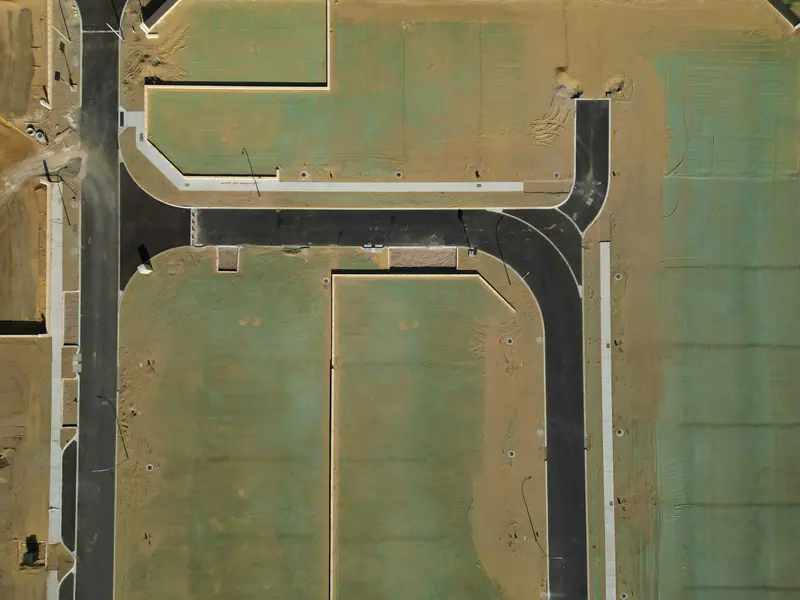
Editorial illustration from Aurum Title’s service page.