Selecting a dining destination for a group is rarely about a single person's appetite. It is a delicate exercise in social coordination, where the goal is to find a menu that accommodates a variety of tastes without sacrificing the atmosphere. For the person tasked with the decision, the challenge often lies in choosing between the immediate convenience of a known quantity and the potential reward of a new, ambitious project.
The Tension of Timing
The decision-making process often involves a tradeoff between speed and discovery. You might find yourself weighing the quick, reliable reservation at a local staple against the effort required to vet a new establishment that promises a more unique experience. This tension is particularly sharp when you are balancing a current social obligation against a future, larger-scale event you are planning.
For example, if you are organizing a small, casual dinner for friends this Friday, you might be tempted to book a familiar bistro where the menu is predictable and the service is known. However, if you are also in the early stages of planning a significant celebratory luncheon for next month, you might find yourself using this smaller dinner as a reconnaissance mission. The tradeoff here is time and energy: do you settle for the easy choice now, or do you spend more effort investigating a venue that could serve your larger, future needs? One choice satisfies a single night, while the other serves as a trial run for a more complex undertaking.
Comparing the Spread
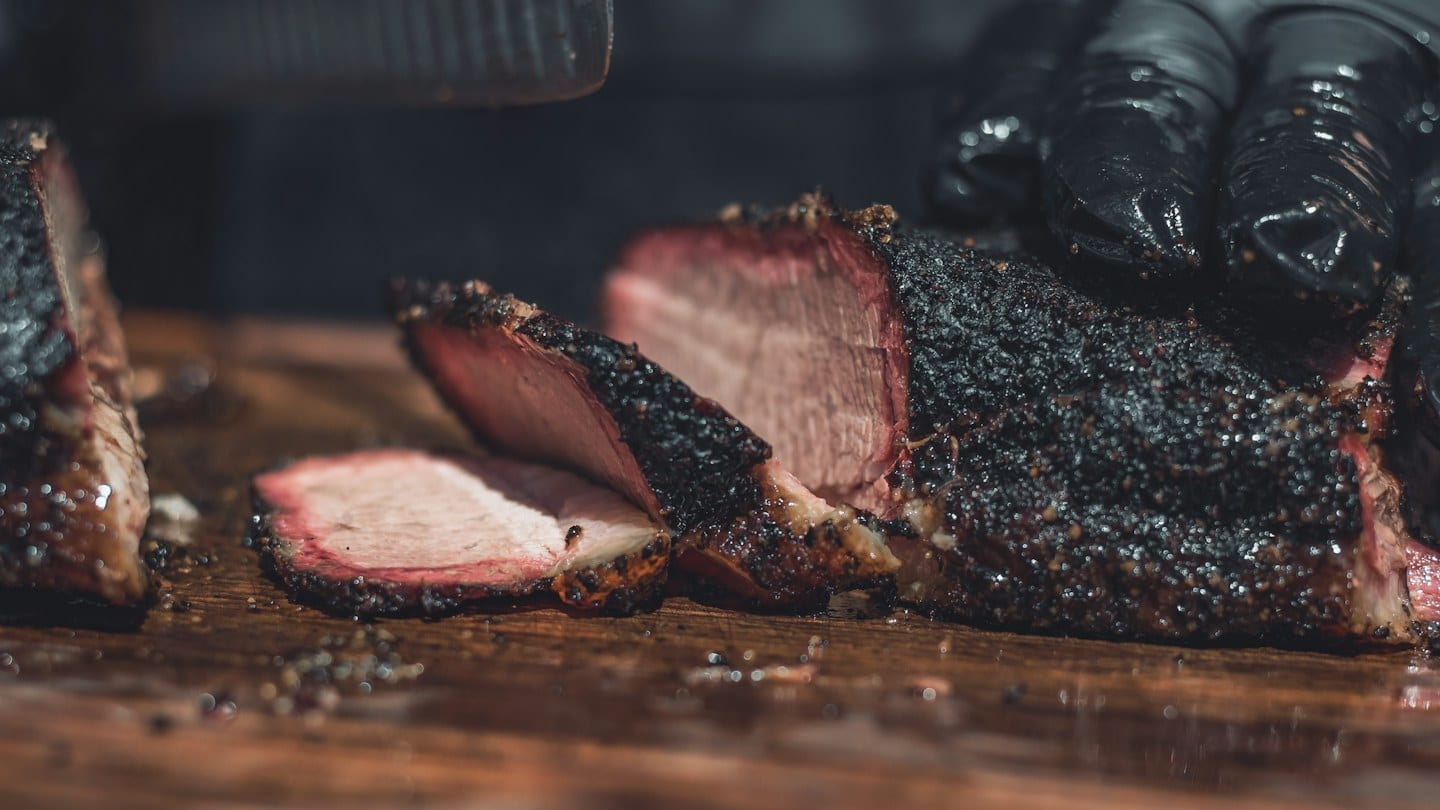
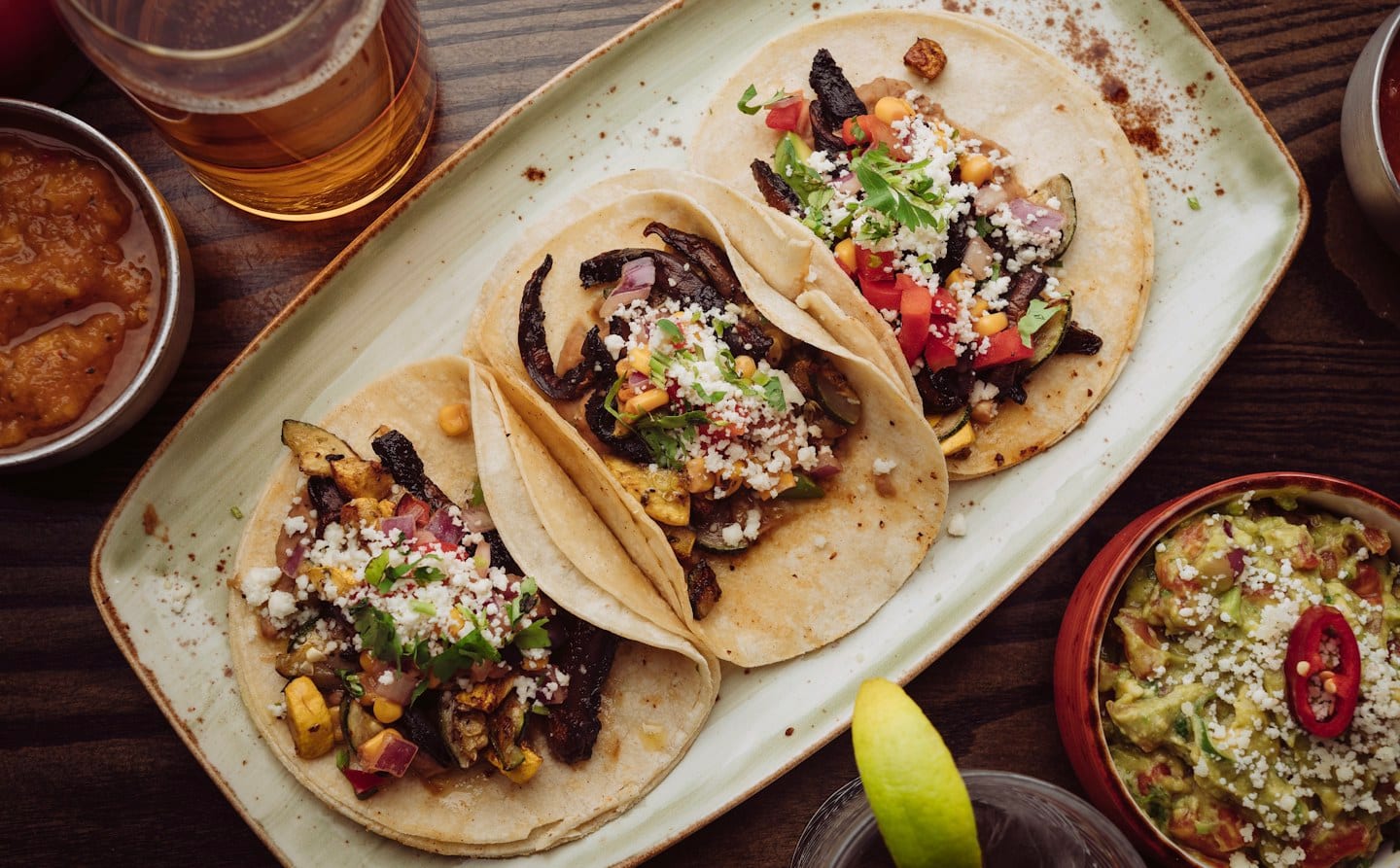
Once you have narrowed your choices to two or three venues, the menus become your primary tool for evaluation. Rather than looking for a single dish that everyone loves, look for breadth. A menu that offers distinct culinary directions—such as a heavy protein option alongside a light, vegetable-forward selection—provides more room for a mixed group to find common ground. Observe how the menu handles different dietary preferences. Does it offer variety, or does it rely on a single category of food to satisfy everyone?
When reviewing these options, look for the balance of texture, temperature, and ingredient variety. A menu that is too narrow may leave certain guests feeling sidelined, while a menu that is too sprawling can sometimes signal a lack of kitchen focus. The goal is to find a middle ground where the options feel intentional rather than accidental.
Clarifying Specific Needs
When a group includes individuals with specific dietary requirements, the menu alone may not provide the full picture. It is helpful to contact the restaurant directly to understand their approach to preparation. Instead of assuming a dish can be modified, ask the staff how they manage specific ingredient requests. You might ask: "How does the kitchen handle requests for ingredient substitutions?" or "Can you describe the level of cross-contact management in your kitchen?"
Understanding the rhythm of the service is also vital for a group. Ask the host about the typical pacing of a multi-course meal and whether they can accommodate a specific timeframe if your group is on a schedule. By gathering these details, you move from simply picking a place to eating to actively managing a successful evening. The best choice is the one where the menu breadth meets the logistical realities of your guests, ensuring that the immediate meal is satisfying and the potential for future events is thoroughly vetted.